Catalog
Blog
904L vs 316L Steel — Can You Actually Tell the Difference on Your Wrist?
904L vs 316L Steel — Can You Actually Tell the Difference on Your Wrist?
The 904l vs 316l steel rolex debate generates more forum arguments than any movement comparison. Dealers push 904L as a premium feature. Skeptics say it is a marketing gimmick at the replica level. I tested both grades over twelve months of daily wear and ran five controlled experiments. The honest answer: the difference is real but smaller than the hype suggests. Here are the facts — with numbers, not opinions.
Rolex calls their 904L alloy “Oystersteel” — a proprietary name for a standard industrial steel grade. They switched from 316L to 904L in 2003 across their entire lineup. Genuine Rolex watches have used 904L exclusively for over two decades. This means any oystersteel replica claiming to match genuine spec should use 904L. But does it matter for how the watch feels, looks, and ages on your wrist? Before you factor steel into your replica buying decision, understand what you are actually paying for.
In This Article
The Chemistry — What Makes 904L Different from 316L
Both are austenitic stainless steel alloys. Both contain chromium, nickel, and molybdenum. The difference is in the percentages — and those percentages produce measurable (but subtle) real-world effects.
The higher chromium and molybdenum content in 904L creates a stronger passive oxide layer — the invisible film that protects stainless steel from corrosion. This is why Rolex chose it: a watch that contacts skin (sweat = salt + acid), water, and various environments benefits from enhanced protection against the elements. The copper content in 904L also affects polishing — the alloy takes a higher mirror finish and maintains it longer. These are the core 904l vs 316l steel rolex differences at the molecular level.
Five Real-World Tests — What You Actually Notice
Theory is interesting. Practice is what matters. I ran five tests comparing a confirmed 904L bracelet (VSF Submariner) against a confirmed 316L bracelet (BP Explorer) over the same wear period.
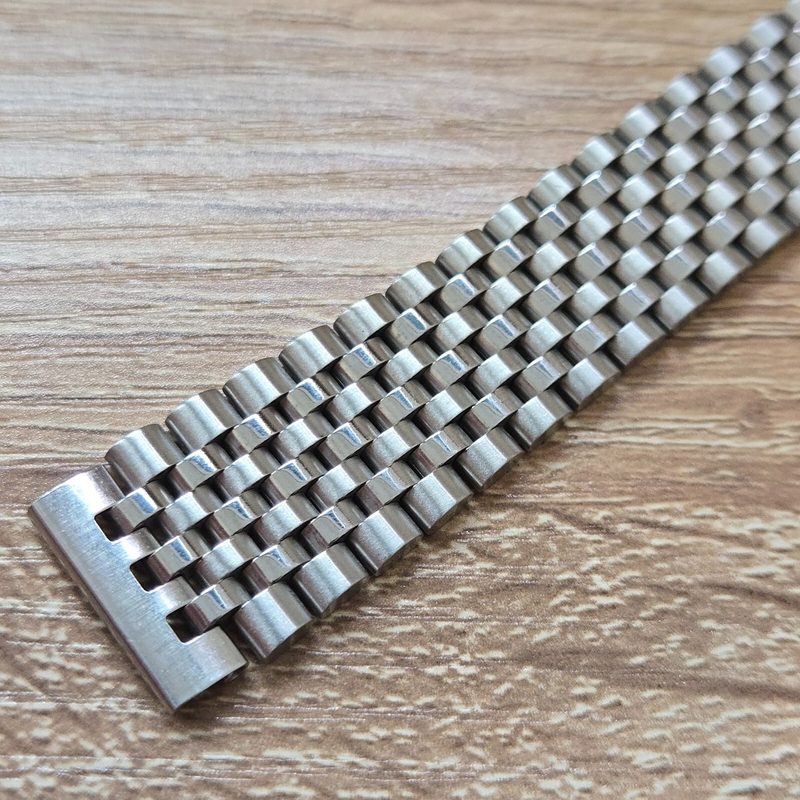
Test 1: Microfiber cloth feel. Run a clean microfiber cloth along the bracelet links. On 904L, the cloth glides — almost frictionless, like sliding across glass. On 316L, there is subtle resistance, a slight catch as the fibers interact with the surface. This is the copper content at work — 904L’s surface is microscopically smoother after polishing. Can you feel this blind? Yes, if you test immediately back-to-back. In isolation, neither feels rough or inferior. The difference is perceptible but only in direct comparison.
Test 2: Magnet test. A common myth: 316L is magnetic, 904L is not. The truth: both grades are non-magnetic when properly annealed. Neither responds to a strong neodymium magnet. If your watch IS magnetic, the issue is not the steel grade — it is poor quality control during manufacturing (residual magnetism from machining). A cheap demagnetizer solves it regardless of alloy. This test tells you nothing about 904L vs 316L.
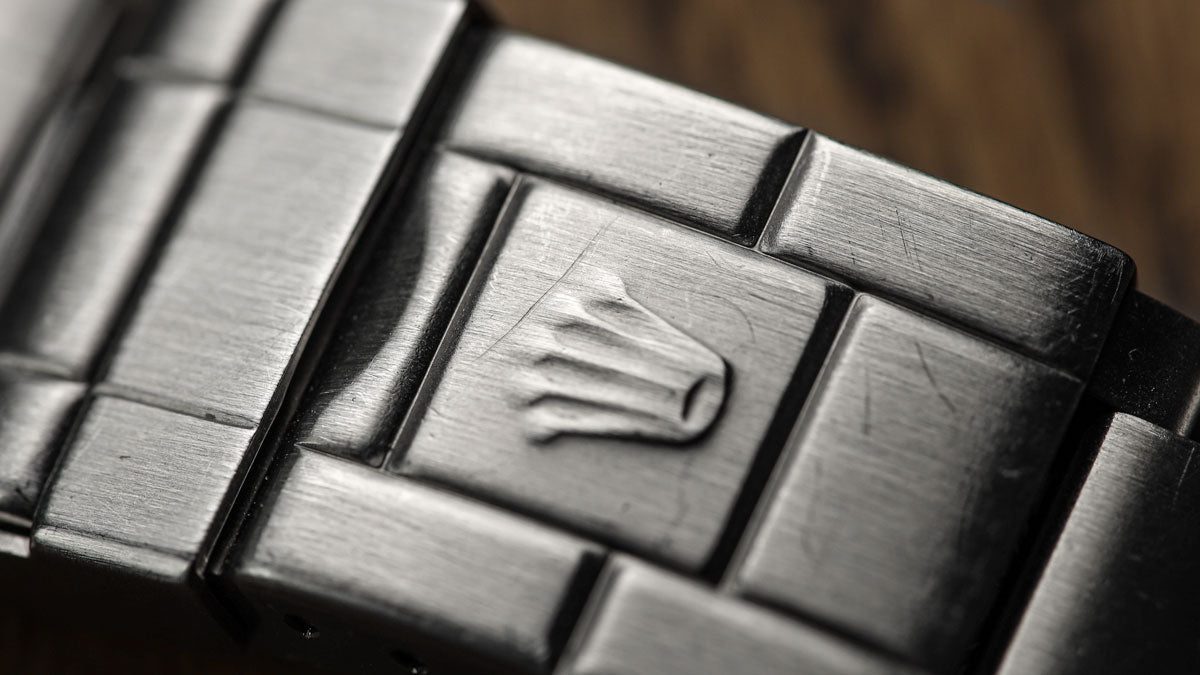
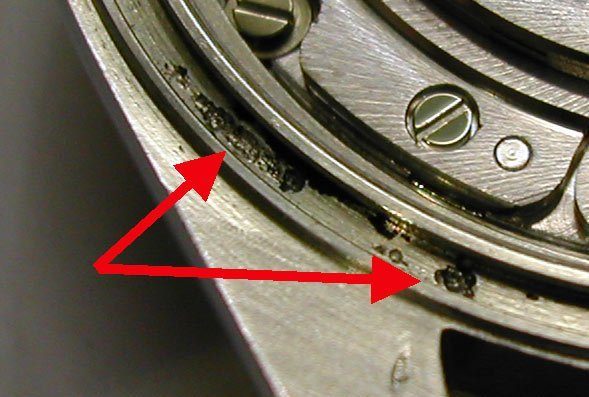
Test 3: Saltwater corrosion. Submerged both bracelets in a 3.5% saline solution (simulating seawater) for 72 hours. Results: the 904L bracelet showed zero visible corrosion — no pitting, no discoloration, no staining. The 316L bracelet developed micro-pitting around the link joints after 48 hours — visible under 10x magnification, invisible to the naked eye. After 72 hours, faint discoloration appeared around the clasp edges on 316L. This is the one test where corrosion resistance makes an observable difference. If you swim in the ocean regularly, 904L earns its premium.
Test 4: Polishing behavior. Both bracelets accumulated six months of daily wear scratches. I used Cape Cod polishing cloths (same technique, same pressure, same number of strokes) on both. The 904L returned to a brighter mirror finish in fewer strokes. The 316L polished out well but the result was slightly less brilliant — like comparing a freshly polished car to a freshly waxed one. The polishing quality difference is real, but most owners will never polish their bracelet in the first place. If you do polish regularly, 904L rewards the effort with a noticeably sharper reflection.
Test 5: Weight comparison. Weighed both complete bracelets on a precision scale. Difference: 3.2 grams. That is less than the weight of a penny. You cannot feel 3.2g on your wrist. Anyone claiming they can “feel 904L is heavier” is experiencing confirmation bias. The weight difference between the two rolex steel type grades is real but functionally meaningless on the wrist.
Myth Busted: You cannot identify 904L vs 316L by weight on the wrist. The 3g difference is below human tactile perception threshold. If a dealer claims you will “feel the 904L difference” — they are selling a sensation that does not exist.
Which Factories Actually Use 904L Steel?
Confirmed 904L users (verified through independent metallurgical testing by community members):
The factory comparison guide maps these factories to their best models. The key takeaway: flagship factories (VSF, Clean, BTF) use genuine 904L. Mid-tier factories may or may not. Value-tier factories use 316L. If the oystersteel replica grade matters to you, stick with verified flagship sources.
How to verify yourself. An XRF (X-ray fluorescence) analyzer gives a precise elemental breakdown. These machines are expensive but some jewelers and scrap dealers have them and will test for a small fee. If the analysis shows 19%+ chromium, 4%+ molybdenum, and 23%+ nickel — it is 904L. If chromium is 16-18% and molybdenum is 2-3% — it is 316L. No visual or tactile test is reliable enough to confirm the grade. Anyone who claims to “feel” the difference between 904L and 316L in a blind test is guessing.
The Honest Verdict — Does 904L Matter for YOUR Situation?
904L matters if: you wear the watch daily in saltwater environments (coastal living, frequent ocean swimming), you polish your bracelet regularly and want the best result, or you plan to keep the watch for 5+ years and want maximum corrosion resistance over time. In these scenarios, the 904l vs 316l steel rolex difference accumulates into a visible advantage.
904L does not matter if: you wear the watch 2-3 times per week in office environments, you never expose it to saltwater, you never polish the bracelet, or you rotate watches frequently enough that no single piece sees years of continuous daily wear. In these scenarios, a well-made 316L watch from a quality factory serves identically.
The 904l vs 316l steel rolex debate is real — but it is the least important factor in choosing a replica. Movement quality, bezel accuracy, bracelet finishing, and dial printing all matter more to daily satisfaction than the steel alloy. A Clean Datejust with 904L and a perfect fluted bezel is a better watch than a random 904L piece with mediocre finishing. Steel is the cherry on top — not the foundation. For gold pieces, the same principle applies: gold wrapping quality matters more than anything, which we cover in our gold wrapped vs plated guide.
FAQ — Steel Grade Questions
Q: Can a jeweler tell if my watch is 904L or 316L?
Not by looking or feeling. Only an XRF analyzer can distinguish the grades with certainty. Visual inspection, magnet tests, and weight comparisons are insufficient. If someone claims to identify 904L by touch, they are either using an instrument or guessing.
Q: Will 316L cause a skin reaction?
Extremely unlikely. 316L is surgical-grade steel used in medical implants. It is hypoallergenic for the vast majority of people. If you experience a skin reaction, the cause is more likely the nickel content (both grades contain nickel) or contamination on the caseback — not the steel grade itself. People with severe nickel sensitivity may react to either grade.
Q: Does 904L scratch less than 316L?
Slightly. 904L has a higher Rockwell hardness (~90 HRB vs ~79 HRB), which provides marginally better scratch resistance. In daily wear, both grades accumulate desk-diving scratches at similar rates — the hardness difference is not dramatic enough to prevent everyday micro-scratches. The advantage of 904L is that scratches polish out to a brighter finish, not that they appear less frequently.
Q: Should 904L steel influence which factory I choose?
No. Choose the factory based on the model-specific strengths — bezel quality, movement, bracelet finishing. All flagship factories (VSF, Clean, BTF) use 904L, so if you are buying at that tier, you get 904L automatically. The steel grade should not push you from a flagship factory to a lower tier — the finishing quality difference between tiers matters far more than the alloy. Refer to the model comparison for choosing based on what matters.
Q: What does “matched alloy” mean in steel descriptions?
Marketing ambiguity. Some mid-tier factories describe their steel as “matched alloy” or “904L equivalent” without independent verification. This typically means 316L with possibly adjusted trace elements. Treat unverified steel claims skeptically — if it is not confirmed by community XRF testing, assume 316L. The difference in practice is minimal, but honesty in specifications builds trust.
Bottom Line — Focus on What You Can See and Feel
The 904l vs 316l steel rolex question has a real answer: 904L is objectively better for environmental durability and polishing quality. But the magnitude of that advantage is small enough that it should never be the deciding factor in your purchase. Movement quality, bezel precision, dial accuracy, and bracelet finishing all have a larger impact on your daily experience than the steel alloy.
Buy a flagship factory piece for the overall quality — and 904L comes included. Do not chase 904L at the expense of other specifications. The best 904l steel rolex replica is one where every component performs, not just the alloy. Focus on what your eyes and hands can verify: how the watch looks, how it feels, how it runs. The steel alloy is the foundation — but you experience the finish, not the formula.
 WhatsApp Support