Catalog
Blog
Gold Rolex Replica — Wrapped vs Plated: What Happens After 6 Months of Daily Wear
Gold Rolex Replica — Wrapped vs Plated: What Happens After 6 Months of Daily Wear
Every gold rolex replica looks the same on day one. Warm yellow tone, crisp reflections, the satisfying weight of metal on wrist. Then real life happens — winding the crown, sliding under shirt cuffs, bumping doorframes, resting on desks. Within three months, the coating technology underneath that golden surface separates winners from regrets. I tracked three identical-looking gold Datejusts through six months of daily rotation to document exactly when — and where — each one started showing its true nature.
The question is not whether gold coating wears. Every coating eventually shows age — even genuine 18K solid gold Rolex watches pick up scratches and develop patina. The question is how gracefully the gold ages, and whether “aging” means “developing character” or “revealing steel underneath.” The answer depends entirely on one decision you make before ordering: gold wrapped vs plated vs PVD. Browse our gold collection and you will see pieces spanning all three technologies — here is how to tell them apart before they arrive on your wrist.
In This Article
- The 6-Month Wear Test — Gold Wrapped vs Plated vs PVD
- Which Gold Color Hides Wear Best — Rose vs Yellow vs White
- Factory Rankings for Gold Rep Quality
- Practical Gold Care — Habits That Add Months of Life
- The Plain Jane Gold Trend — Why Clean Gold Is Making a Comeback
- Two-Tone vs Full Gold — Which Option Makes More Sense
- The Weight Difference — Why It Matters More Than Color
- FAQ — Gold Coating Questions
- The Bottom Line on Gold Coatings
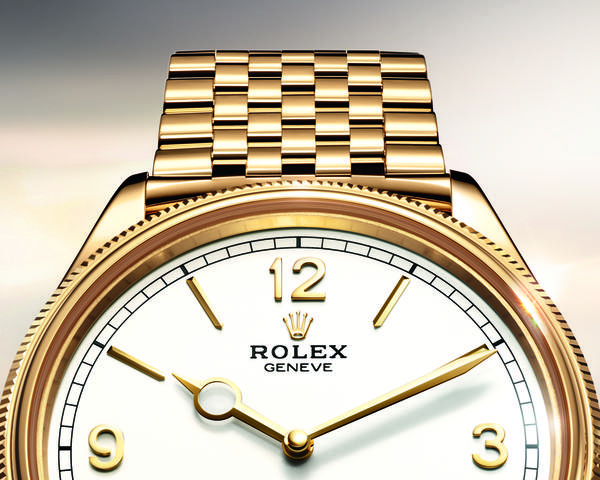
The 6-Month Wear Test — Gold Wrapped vs Plated vs PVD
Three watches. Three coating technologies. Same wearing schedule — four days per week, rotated with a steel sport watch on the remaining three days. Photographed monthly under identical lighting against a white background. Inspected under 10x loupe for microscopic changes invisible to the naked eye. Here is the timeline.
18K Gold Wrapped (15-18 microns). Month one through three: indistinguishable from new. No visible changes to any surface under loupe or naked eye. The bezel flutes remained sharp and reflective. Month four: first detectable change — a subtle softening of the polish on the inner clasp contact surface. Not visible when wearing, only under magnification with the clasp open. Month six: the inner clasp shows a warm patina in the high-friction zone, approximately 3mm x 5mm. All external surfaces — bezel, case sides, bracelet links, crown — remain indistinguishable from new. Surface degradation: less than 5%. This is 18k gold wrapped performance at its best, and it tracks with what community members report across forums.
Gold Plated (7-9 microns). Month one through two: identical to the wrapped piece. Month three: the first tells appear — slight dulling on the crown tube (the protruding tube around the winding crown) and on the corners of the two end links closest to the case. These are the highest-friction points on any bracelet. Month four: the clasp interior shows steel through the gold. Month six: visible wear on link corners, crown tube shows silver, and the bezel flutes nearest the 12 and 6 positions (where the wrist contacts fabric) have lost their top polish. Surface degradation: approximately 15-20%. Still wearable, but you know — and if you know, others might too.
PVD Coating (2-3 microns). Month one: fine. Month two: hairline marks on the bezel at 3 o’clock (desk-diving contact point). Month three: the bracelet clasp shows steel on the fold edges, and the caseback edges have visible silver lines. Month four: I stopped wearing it to events. The bezel had enough thin spots to catch light inconsistently — gold in some angles, steel in others. Month six: cosmetically compromised. PVD works brilliantly for black DLC finishes on steel watches, but it simply cannot replicate gold at thicknesses that survive wrist wear. Surface degradation: 30-40%.
Key Takeaway: The gold wrapped vs plated debate is settled by month three. That is when plating begins showing its hand while wrapping remains invisible. The upfront cost difference between the two technologies pays for itself before you finish the first quarter of ownership.
Which Gold Color Hides Wear Best — Rose vs Yellow vs White
The coating wears at the same rate regardless of color. But the visual evidence of that wear varies dramatically based on the gold tone you choose.
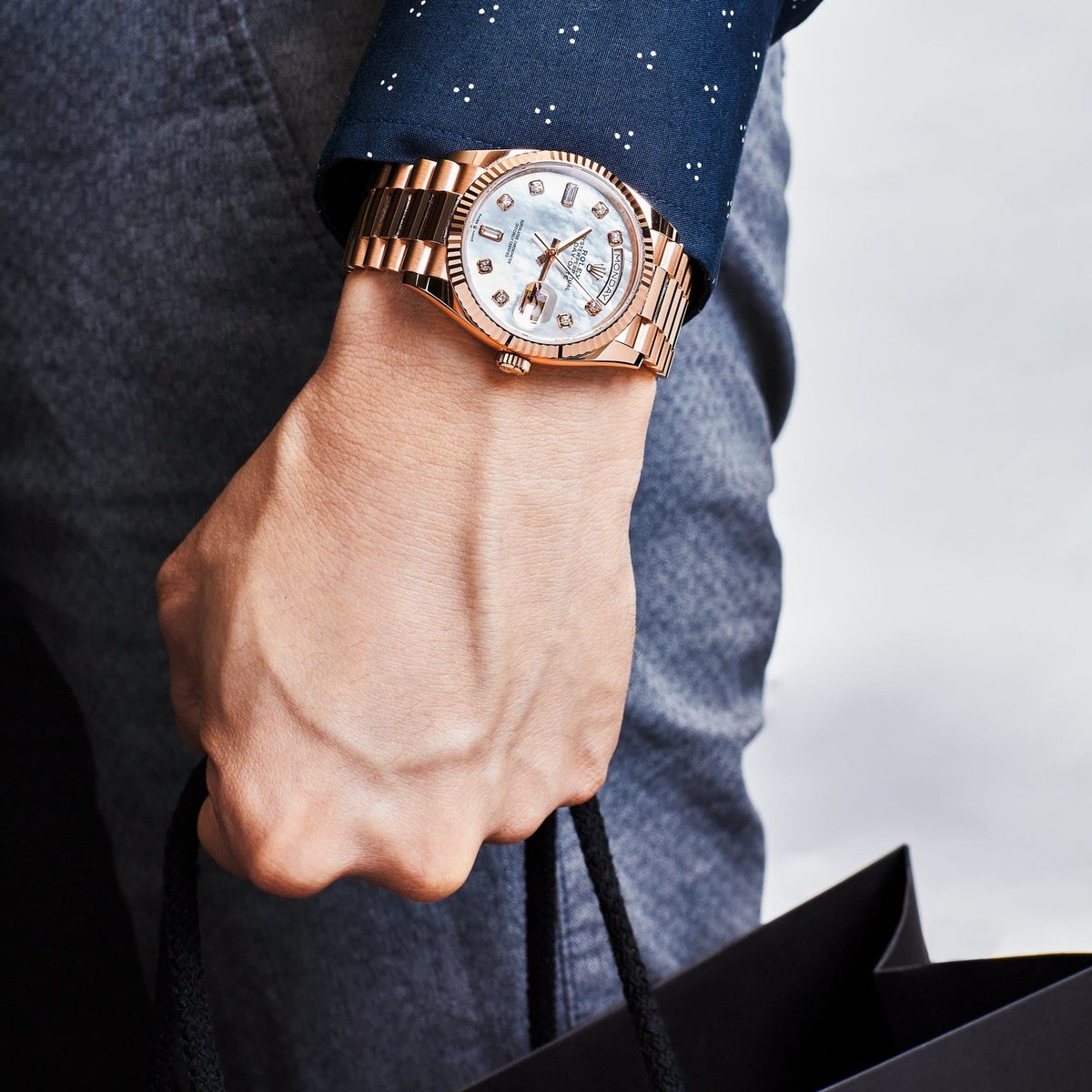
Rose Gold (Everose) — Best at hiding wear. The warm copper-pink undertone creates a natural gradient between fresh gold and slightly thinned areas. Where yellow gold shows a sharp line between “gold” and “not gold,” rose gold transitions smoothly. Thinning areas develop a slightly warmer, more copper tone rather than revealing bare steel. The Everose gold replica in rose remains visually cohesive even at month nine or ten — something yellow gold cannot claim. If longevity of appearance matters more than tradition, rose gold is the smartest pick for a daily-wear gold rolex replica.
Yellow Gold — The classic, but the most revealing. Yellow gold is iconic. It is the Rolex gold — the color of the Presidential Day-Date, the color of old-money wealth, the color that says “gold watch” from across any room. But it is also the most demanding on coating quality. The contrast between gold surface and steel base is at its maximum — any thinning creates a visible two-tone effect that reads as wear rather than character. If you choose yellow, invest in wrapped rather than plated. The combination of the most revealing color with the thinnest coating is a recipe for disappointment.
White Gold — The sleeper. White gold replicas use a rhodium-toned coating over steel. Because the base metal and the coating are both silvery, thinning is nearly invisible. White gold reps can last visually twice as long as yellow — the “damage” is happening, but nobody can see it. The trade-off: white gold does not scream “gold watch.” From a distance, it reads as steel. Up close, the warmth and luster differentiate it, but you lose the impact that makes gold watches desirable in the first place.
Factory Rankings for Gold Rep Quality
Not all factories treat gold equally. Some specialize in it; others add gold variants as an afterthought to their steel lineup. The factory comparison breakdown covers every model, but here is the gold-specific ranking.
GM Factory — The gold specialist. GM built their reputation on gold Day-Dates and gold Datejusts. Their wrapping process delivers consistent 15-18 microns across all surfaces including the hard-to-reach areas between bracelet links. The color tone is accurate to genuine Rolex’s proprietary alloy — warm without being brassy. Tungsten inserts address the weight difference between solid gold and coated steel. If you are buying a gold rep in yellow or rose, GM is the default recommendation from anyone who has compared multiple factories.
EW Factory — Strong mid-tier. EW produces gold Datejusts with 12-15 micron wrapping — slightly thinner than GM but noticeably better than budget alternatives. Their color accuracy is good, particularly on two-tone models where the gold-to-steel transition needs to be clean. The heft versus GM is roughly 10-15g lighter, which some wearers notice and others do not. EW is the right choice when the budget matters but you refuse to compromise on gold wrapped technology — they deliver wrapping at a lower entry point than GM.
BP Factory — Budget option. BP uses gold plating rather than wrapping on most models. Their thickness runs 7-10 microns — the upper end of electroplating. The result is a watch that looks correct for 3-4 months of regular wear and starts showing its nature by month five. BP gold pieces work as occasional-wear items or as entry pieces to test whether you enjoy the gold aesthetic before investing in a wrapped version from GM or EW.
Tip: Ask your seller for the specific factory and coating method before ordering any gold piece. “Gold wrapped” and “gold plated” are often confused in listings — and sometimes deliberately. A seller who can tell you the micron thickness and the factory name is one who knows their inventory. One who says “high quality gold” is guessing.
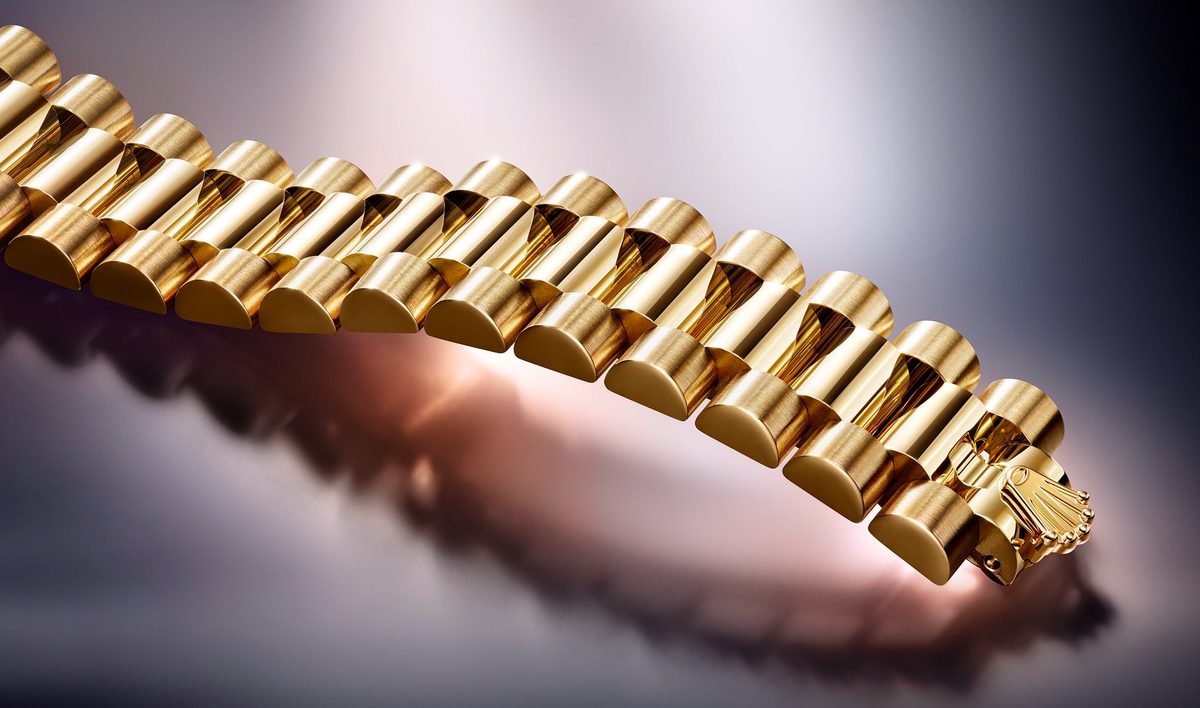
Practical Gold Care — Habits That Add Months of Life
Coating technology sets the ceiling. Your daily habits determine how close to that ceiling you get. These are the practices that move a gold rep from “six good months” to “twelve good months” — small changes with measurable results.
Rotate, rotate, rotate. Four days on, three days off extends coating life by roughly 40%. The math is simple — less contact time means less friction, less sweat exposure, and less thermal cycling. Keep a steel sport piece in your collection for the off days. Check our 904L vs 316L steel guide for choosing the right daily beater.
Avoid chemical contact. Chlorine (pools, tap water), alcohol (hand sanitizer, cologne), and salt (sweat, ocean) are the three enemies of gold coating. Remove before swimming or applying hand sanitizer. Apply cologne to your neck rather than your wrist. Wipe the watch with a dry microfiber cloth after any contact with moisture — including after washing your hands while wearing it. Tarnishing starts as invisible chemical changes to the surface before becoming visible discoloration.
No bracelet stacking. Wearing the gold watch next to a leather or metal bracelet creates constant metal-on-metal or metal-on-leather friction against the clasp and end links. This accelerates thinning in exactly the spots that are hardest to repair. If you stack bracelets, move them to the other wrist. One piece per wrist — the gold watch deserves its own space.
Store smart. Crown up in a soft-lined box. Not crown down (puts the crown tube in contact with the surface), not on its side (scratches the case), not loose in a drawer (contact with other metal objects). A watch roll for travel, a dedicated box slot at home. Every contact mark you prevent is a week of coating life you preserve.
The Plain Jane Gold Trend — Why Clean Gold Is Making a Comeback
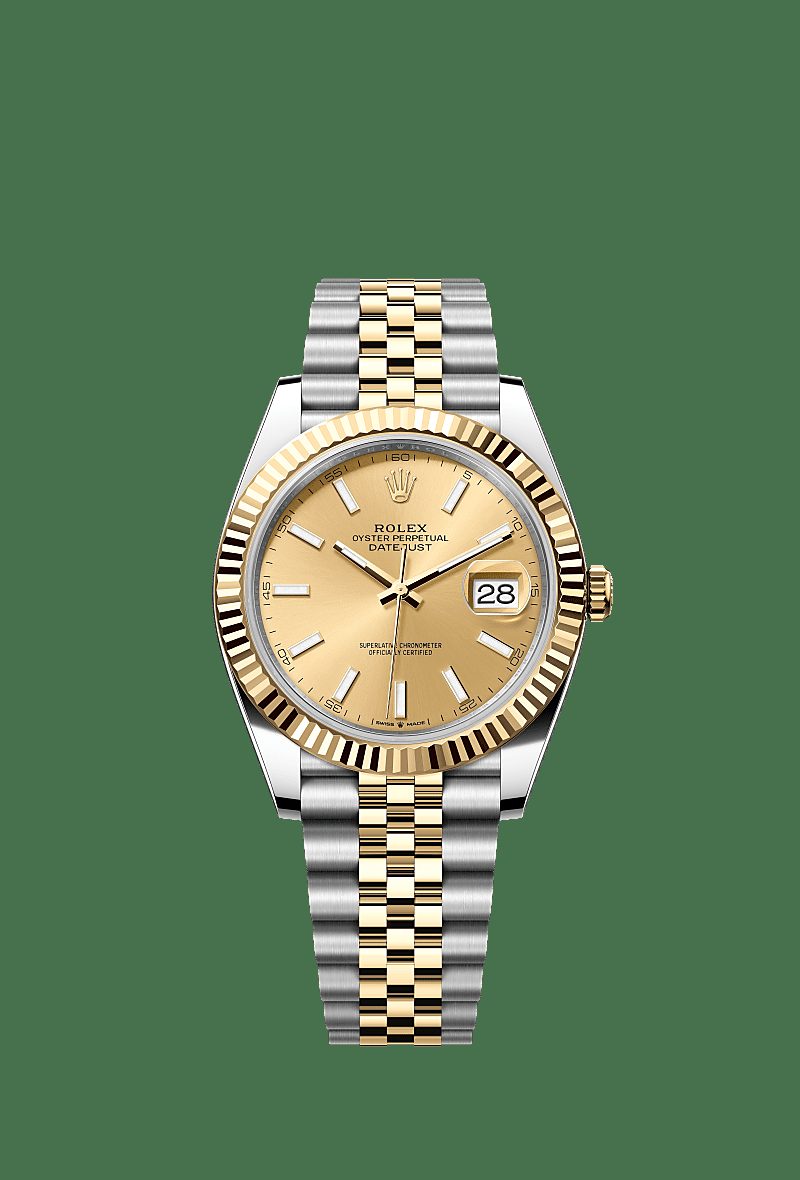
The iced out movement dominated gold Rolex culture for years — every surface covered in stones, maximum sparkle, maximum noise. But the pendulum is swinging. The plain jane rolex — a gold Day-Date or Datejust with a clean dial, stick or Roman numerals, and zero diamonds — is the fastest-growing segment in the enthusiast community.
The appeal is straightforward. A plain jane gold piece communicates the same message as iced — success, taste, investment — but through the metal itself rather than through stones sitting on it. The gold does the talking. No distractions. Jay-Z famously pivoted from iced-out everything to clean gold Day-Dates. The Instagram aesthetic shifted from “bust down everything” to “let the gold breathe.” And the practical advantage is real: a plain jane rolex with zero stones means zero risk of stone loss, zero maintenance for settings, and a cleaner profile that works in both boardrooms and barbecues.
For a gold replica buyer, the plain jane approach also simplifies the purchase. You are evaluating one thing — the gold coating quality. No stone type to research, no setting method to compare, no factory claims about VVS grade to verify. Just gold on steel, and whether that gold is wrapped or plated. The Day-Date in clean gold is the ultimate plain jane — full gold case and bracelet, day display, President bracelet. Nothing else needed.
Two-Tone vs Full Gold — Which Option Makes More Sense
Two-tone (gold + steel, called “Rolesor” by Rolex) and full gold are fundamentally different propositions for a replica buyer. The choice between them affects coating longevity, versatility, and risk profile.
Two-tone advantages. Only the bezel, center bracelet links, crown, and mid-case areas carry gold coating. The outer bracelet links, caseback, and large portions of the case remain steel. This means roughly 40-50% of the watch surface is uncoated — those areas can never fade. The steel sections also serve as visual contrast that draws the eye toward the gold elements, making the gold appear richer. Two-tone pieces are more versatile — they pair with both casual and formal outfits without the “full gold at the grocery store” effect. And critically, if the gold elements do thin, the two-tone design already normalizes the presence of steel alongside gold, making partial wear less conspicuous than on a full gold piece.
Full gold advantages. Maximum impact. No ambiguity about what statement the watch is making. The full gold Day-Date or full gold Datejust commands a room in a way that two-tone cannot. In genuine Rolex terms, full gold represents a significantly higher tier than two-tone — and people who know watches recognize that hierarchy. For occasions where presence matters more than subtlety, full gold is the only option.
The practical recommendation. If this is your only gold watch and you plan to wear it 3-4 days per week, two-tone is smarter. Less coating to maintain, more versatile styling, lower risk of visible wear. If you already have a steel daily beater and want a dedicated statement piece for events and weekends, full gold from GM Factory with 18k wrapped coating delivers the maximum effect with the longest cosmetic lifespan.
Insight: Two-tone models are also easier to re-plate if needed — the jeweler only needs to mask and coat the gold sections, which is faster and cheaper than re-coating an entire full gold watch. Another point for two-tone as a practical first gold purchase.
The Weight Difference — Why It Matters More Than Color
A genuine full-gold Rolex Day-Date weighs approximately 215 grams. A gold-coated steel replica without tungsten inserts weighs 150-165 grams. That gap is detectable by anyone who picks up the watch — and it is the single most reliable indicator of overall quality.
High-end gold reps use tungsten powder or tungsten inserts in the case and bracelet links to push the weight toward 185-195 grams. This closes the gap to 85-90% of genuine weight. The difference is subtle on the wrist — you notice it only if you handle a genuine immediately before — but the psychological impact of heft is significant. A gold watch that feels light triggers doubt in the wearer. A gold watch that sits heavy on the wrist triggers confidence. Weight is not vanity — it is part of the illusion.
The correlation between weight and coating quality is strong. Factories that invest in tungsten weighting also invest in thicker gold wrapping — both represent the premium tier of manufacturing. A gold rep that weighs 190g almost certainly uses 15+ microns of wrapping. A gold rep at 155g almost certainly uses plating. You can verify coating claims with a kitchen scale before you even put the watch on.
FAQ — Gold Coating Questions
Q: Can a jeweler re-plate my gold replica when the coating wears?
Yes. Any jeweler with electroplating equipment can re-coat a watch in yellow, rose, or white gold tones. The process takes 1-2 days and restores the surface to like-new condition. Some owners re-plate annually as preventive maintenance — the cost is modest and the result is visually indistinguishable from a new wrapped piece. The steel base is unaffected by tarnishing or coating wear, so the watch can be re-plated indefinitely.
Q: Is the rose gold rolex replica worth the premium over yellow?
If daily wear is your plan, absolutely. Rose gold hides wear better than any other color. If the watch is for events only — two or three times a month — yellow gold maintains its appearance fine between wears because the accumulated friction time is minimal. The rose gold rolex replica is the pragmatic choice; yellow is the emotional one. Both are valid depending on your wearing pattern.
Q: Does wrapping vs plating affect the color tone?
Not significantly when new. Both can achieve accurate Rolex gold tones. The difference shows during aging: wrapped gold thins uniformly, maintaining color consistency across the surface. Plated gold wears unevenly — edges and contact points lose coating faster than flat surfaces, creating a patchwork of gold densities that reads as inconsistent color under certain lighting angles.
Q: What is the Everose gold replica specifically?
Everose is Rolex’s proprietary name for their pink gold alloy — an 18K rose gold with a specific copper-to-silver ratio that Rolex patented. The replica version uses a pink gold coating calibrated to match Rolex’s shade. The key visual difference versus generic rose gold is warmth — Everose leans slightly more copper-pink than the orange-pink that some generic rose gold coatings produce. GM Factory’s Everose tone is considered the most accurate to genuine.
Q: How does PVD coating compare to gold plating?
PVD coating is thinner (1-3 microns vs 5-10 for plating) but bonds differently. The former uses vacuum deposition while plating uses electrochemistry. Vapor deposition creates a harder surface that resists scratches better than plating at equal thickness — but gold PVD is so thin that the hardness advantage is overwhelmed by the thickness disadvantage. For black DLC coatings, vapor deposition is superior. For gold simulation, plating beats it and wrapping beats both.
The Bottom Line on Gold Coatings
The gold rolex replica market is straightforward once you understand three variables: coating technology (wrapped > plated > PVD), gold color (rose hides wear, yellow shows it, white is invisible), and factory (GM for premium, EW for mid-tier, BP for budget). Match these to your wearing frequency and you make the right purchase.
Daily wear demands 18k gold wrapped from GM or EW. Occasional wear can tolerate plating from BP. PVD gold should be avoided unless you accept a 3-month cosmetic lifespan. A kitchen scale confirms the quality before you leave the house. And if the plain jane aesthetic speaks to you, the clean gold approach is the simplest way to make the right impression — let the coating do the talking, and make sure that coating is thick enough to keep talking for a year.
Want to see how different Rolex materials compare beyond gold? Our 904L vs 316L steel guide breaks down the metal that sits underneath every gold coating — because base material quality matters too.
 WhatsApp Support