Catalog
Blog
Rolex Size Guide: Every Model, Every Millimeter, Matched to Your Wrist
Rolex Size Guide: Every Model, Every Millimeter, Matched to Your Wrist
You cannot try on a replica before ordering — so this rolex size guide replaces the fitting room. Every model’s case diameter, lug-to-lug span, thickness, and the wrist circumference each fits best. Measure once, choose correctly, skip the returns. The dimensions below match genuine Rolex specifications exactly — replica factories copy these measurements within ±0.5mm.
The single measurement that matters most is not case diameter — it is lug-to-lug distance. A 41mm watch with 48mm L2L wears completely differently than a 41mm watch with 50mm L2L. The lugs determine whether the watch sits flat on your wrist or overhangs the edges. This guide prioritizes the L2L measurement over marketing size numbers, because that is the measurement that determines actual wrist fit.
In This Article
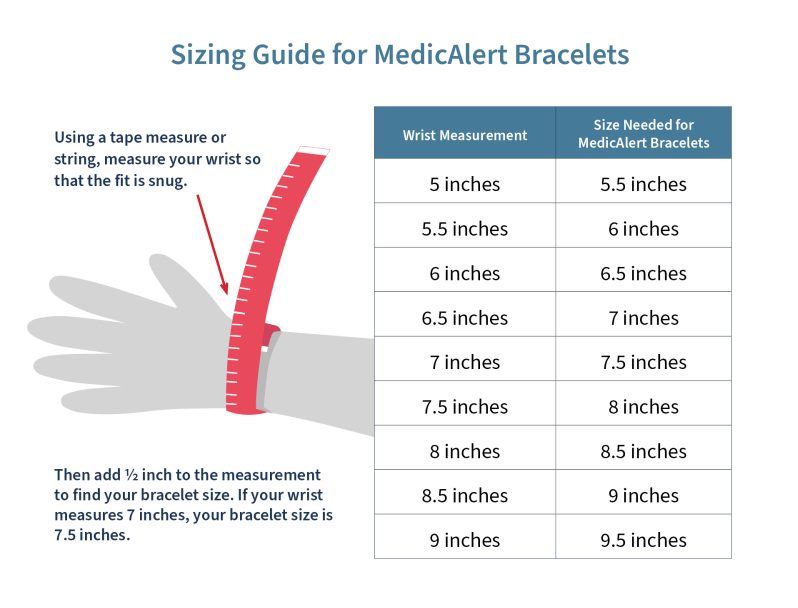
How to Measure Your Wrist (Two Methods)
Method 1 — Flexible tape measure. Wrap a soft measuring tape around your wrist at the point where you wear your watch (just below the wrist bone, the ulna bump). Pull snug but not tight — the tape should touch skin all the way around without compressing. Read the circumference in centimeters. This is your wrist size. Most men measure 16-19cm. Most women measure 13-16cm.
Method 2 — Paper strip. Cut a strip of paper 1cm wide and about 25cm long. Wrap it around your wrist at the same point. Mark where the paper overlaps. Lay the strip flat and measure the distance between the end and the mark with a ruler. Same result, no tape measure needed. This method is more accurate for people who do not own a flexible tape.
Sizing Rule: If your wrist measures exactly at the boundary between two sizes (for example, 17cm when both 36mm and 41mm are options) — go with the larger case. A watch that looks slightly too big wears better than one that looks slightly too small. Larger cases also tend to be more readable and have more wrist presence, which is typically what replica buyers are after.
Complete Rolex Size Guide — Every Model
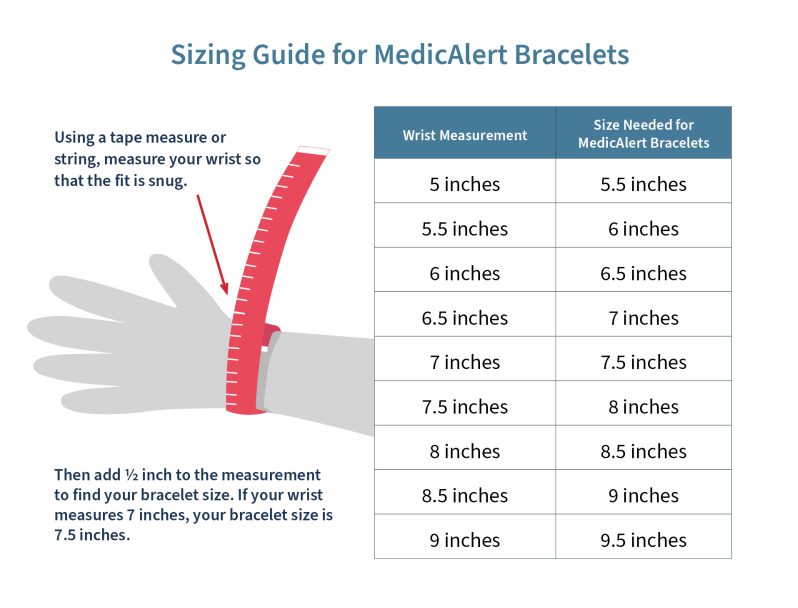
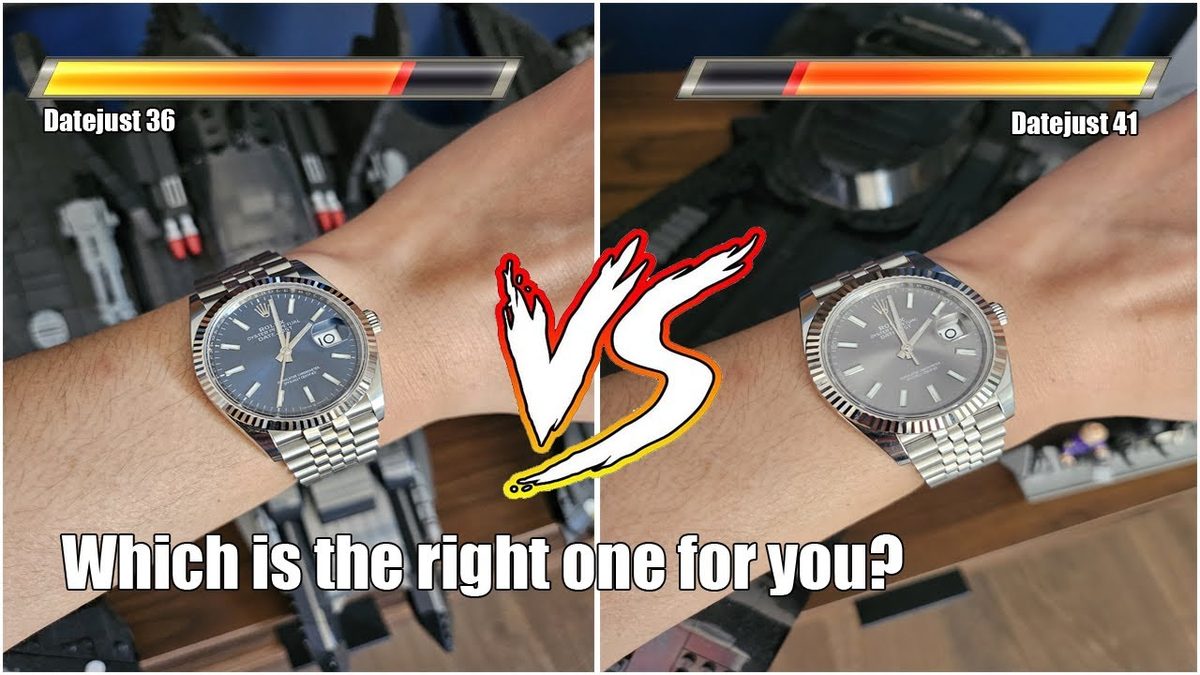
36mm vs 41mm — The Most Common Rolex Size Question
The Datejust, Day-Date, and Explorer all offer 36mm and 40-41mm variants. This is the most asked question in watch sizing discussions: which one? The answer depends on three factors: wrist circumference, personal style preference, and intended use.
Wrist under 16.5cm: The 36mm case is the clear choice. At this size, a 41mm watch has 47mm L2L that overhangs the wrist edges — visible from straight-on and uncomfortable in certain positions. The 36mm with 43mm L2L fits proportionally, looking deliberate rather than oversized. This is the classic Rolex proportion that worked for decades before the trend toward larger watches.
Wrist 17cm-18cm: Both sizes work. The 36mm looks refined, understated, and dressy. The 41mm looks modern, sporty, and more legible. If you wear suits daily, 36mm slides under cuffs better. If you wear casual or business-casual, the 41mm carries more wrist presence. Many collectors own both sizes for different occasions.
Wrist over 18cm: The 41mm is recommended. On larger wrists, the 36mm can look disproportionately small — like wearing a dress watch when you wanted a sports watch. The 41mm fills the wrist correctly and the proportions balance out. The exception: if you specifically want the vintage-proportioned look (think Steve McQueen, Paul Newman era), the 36mm on a large wrist is a deliberate style choice that some collectors prefer.
Under the Shirt Cuff — Thickness Matters
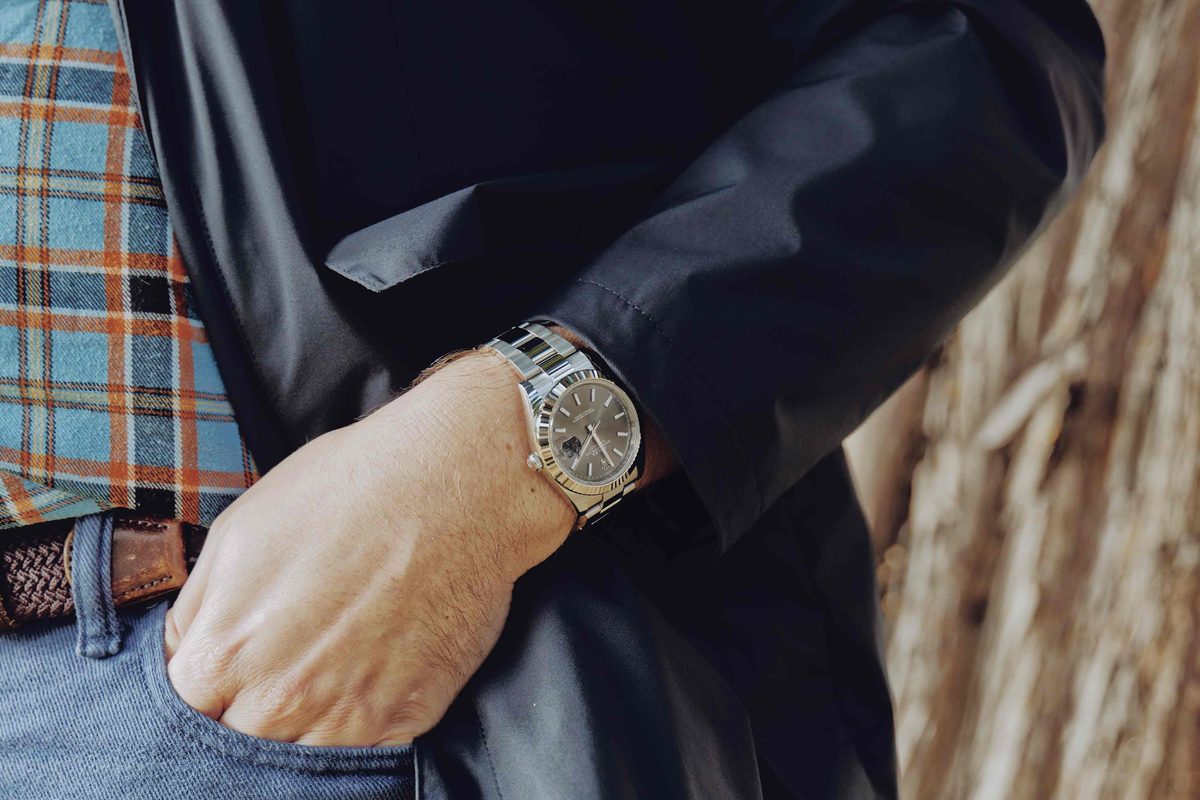
Case thickness determines whether your watch slides under a dress shirt cuff or catches on every sleeve. This sizing reference would be incomplete without addressing the cuff test — because many buyers wear their watches to offices and events where shirt cuffs matter.
Under 12mm: Slides under any cuff effortlessly. The Datejust 36 (12.0mm), Explorer (11.5mm), and Yacht-Master (12.0mm) live here. These are the office-friendly choices.
12-13mm: Fits under most cuffs with slight adjustment. The Datejust 41, Daytona, Day-Date 40, and GMT all fall in this range. You might need to loosen the cuff button or roll slightly. Workable for most dress scenarios.
13mm+: The Submariner sits right at 13mm — borderline. Some cuffs accommodate it, others do not. The Sea-Dweller at 15mm is a pure casual/sport watch that will not fit under any standard dress sleeve. If you need a watch that transitions from sport to dress, the Daytona (12.2mm) beats the Submariner (13mm) for cuff clearance despite being only 1mm different on paper.
FAQ — Rolex Size Guide Questions
Q: Do replica watches match genuine Rolex dimensions exactly?
Within ±0.5mm for case diameter and lug-to-lug on flagship factory pieces. Thickness can vary by up to 1mm depending on the movement inside. A VSF Submariner with VS3235 measures within 0.3mm of genuine specifications across all dimensions. Mid-tier pieces may have slightly larger tolerances but still fall within 1mm. This guide’s measurements apply to both genuine and top-rated replica versions.
Q: Which rolex size is most popular for replicas?
The 40-41mm range dominates replica sales. The Submariner (41mm), GMT (40mm), and Daytona (40mm) are the three most ordered models across all dealers. The 36mm Datejust and Explorer have grown in popularity as the vintage/smaller watch trend gains momentum, but the sport models in the 40-41mm range remain the core of every dealer’s sales volume.
Q: Is the Sea-Dweller too big for average wrists?
For wrists under 18cm — yes. The 43mm case with 51mm L2L and 15mm thickness creates a watch that overhangs most average wrists and sits very tall. It looks impressive in photos but can feel unwieldy in daily wear. If you want the dive watch aesthetic with more presence, consider the Sub itself (41mm, 48mm L2L, 13mm thick) — it delivers 90% of the SD presence with better proportional fit on average wrists.
Find Your Fit
Measure your wrist. Check the L2L distance in the table above. Ensure that value does not exceed your wrist width (flat top of wrist, measured across). Consider thickness if you wear dress shirts regularly. That is the entire rolex size guide process — three measurements, one table lookup, and you know exactly which models work for your wrist. No guessing, no returns, no disappointment when the watch arrives and looks wrong.
The right-sized watch looks intentional. It sits flush, the bracelet drapes correctly, and the proportions match your frame. The wrong-sized watch — even if it is the best factory, the best model, the best choice in every other way — always looks off. Size is the one variable you cannot change after ordering. Get it right the first time.
 WhatsApp Support