Catalog
Blog
5 Mistakes That Ruin Your Rolex Replica — and How Much They Cost You
5 Mistakes That Ruin Your Rolex Replica — and How Much They Cost You
Every forum has the same stories. Someone buys their first rep, skips a step, and ends up with a watch that stops running in two months or fogs up under a kitchen faucet. These rolex replica mistakes are completely avoidable — but only if you know what they are before ordering. Five errors account for 90% of buyer regret. Here is each one, what it actually costs to fix, and the thirty-second check that prevents it.
Buying a replica Rolex is straightforward — once you learn the rules. The problem is that first-time buyers skip research and repeat the same errors that veterans learned from years ago. This guide documents the five most damaging errors with real outcomes, real repair costs, and real prevention steps. Every mistake here comes from actual buyer experiences shared across watch communities.
Mistake 1: Skipping QC Photos — The Bezel Pip Disaster
What happens: You order a Submariner, the dealer says “shipping in 2 days,” and you say “great, send it.” No quality control images requested. No inspection before shipment. The watch arrives with a misaligned bezel pip — the luminous triangle at 12 sits 0.5mm to the left. The date window shows the number shifted slightly upward. The cyclops has a tiny scratch on the edge. All things that QC photos would have caught in thirty seconds.
The real cost: Returning a watch means shipping it back internationally (2-3 weeks each way), waiting for a replacement to be sourced and photographed, then another 2-3 weeks for delivery. Total delay: 6-8 weeks from the original order date. Some buyers give up and keep the flawed piece. Others pay a local watchmaker to realign the bezel insert — another expense on top of the original purchase.
Prevention: Always request QC photos before shipment. Every reputable dealer provides them. You get 5-8 high-resolution images: dial straight-on, caseback, side profile, bracelet clasp, bezel alignment, date window at multiple dates, and lume shot. Take 5 minutes to examine each photo. Check the bezel pip alignment against the 12 marker. Check date centering in the window at 15 and 25 (different digit widths reveal alignment). Check the rehaut “ROLEX” engraving alignment. If anything looks off — request a different unit. This is standard practice, not a special request.
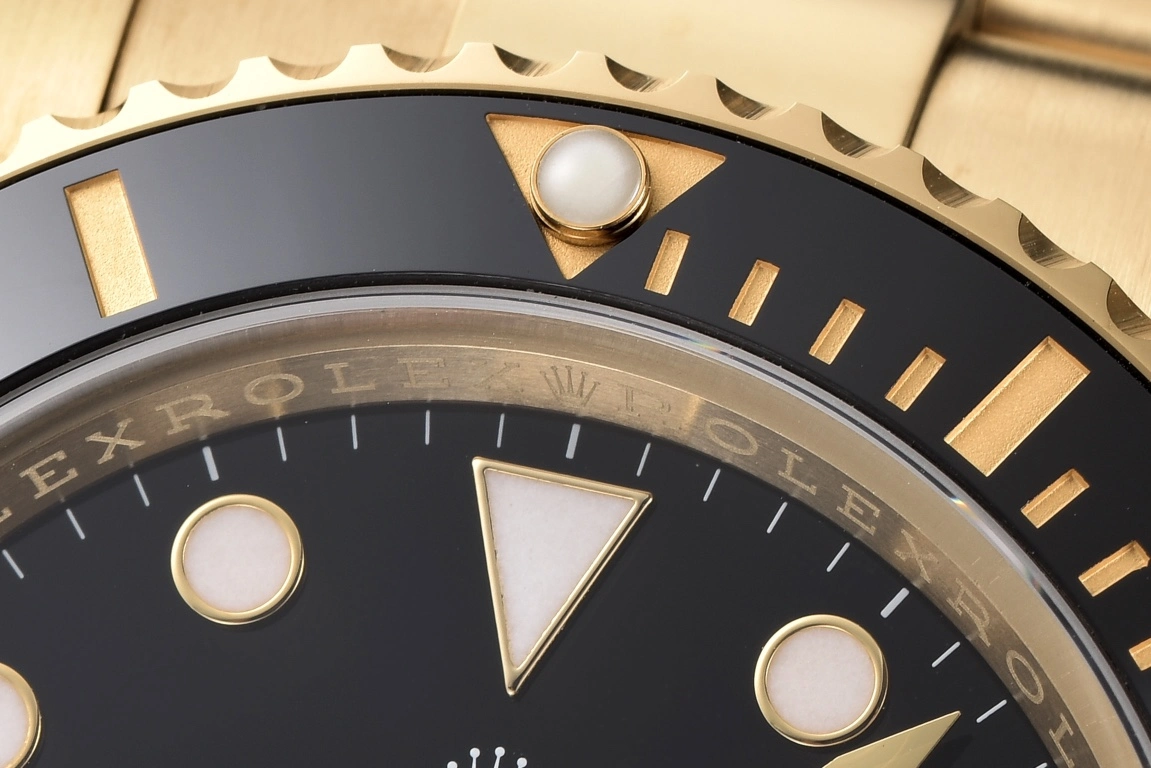
Red Flag: If a dealer refuses to provide inspection images or pressures you to skip them — walk away immediately. Every trusted dealer in the community considers QC standard procedure. Refusal signals either that they are shipping random units without selection, or that their stock quality cannot survive photographic scrutiny. Neither outcome benefits you.
Mistake 2: Buying the Cheapest Option — The DHGate Trap
What happens: First-time buyers see a “Rolex Submariner” on DHGate for a fraction of what established sellers charge. The listing has great photos (stolen from factory promotions). Reviews look positive (paid or fake). They order. What arrives is a watch with a DG2813 movement inside a case stamped with factory logos it never touched. The movement — a Chinese automatic worth a few dollars — runs for 6-12 weeks before the rotor starts skipping. By month three, the watch loses 30+ seconds per day. By month four, it stops.
The real cost: The movement failure itself is the cheaper problem. Servicing a DG2813 costs more than the movement is worth — a watchmaker will quote you for a movement swap instead, putting in a Miyota 8215 or similar for a better result. But that is putting a band-aid on a deeper issue. The case finishing, the dial printing, the bracelet feel — everything on a marketplace piece falls below what a proper factory watch delivers. You cannot upgrade a case. You cannot fix printing quality. The entire watch is a write-off.
Prevention: Buy from dealers who are verified and reviewed across multiple forums. Avoid open marketplaces, AliExpress, and random Instagram sellers for anything above entry-level curiosity purchases. If you want something worth wearing daily, a proper factory piece from a known dealer is the only path. The community maintains updated dealer lists with transaction histories and dispute records. Spend 30 minutes reading before spending on a watch.
Mistake 3: Wrong Factory for the Model — The ARF Daytona Problem
What happens: A buyer reads that ARF makes excellent Submariners (true) and assumes ARF makes excellent everything. They order an ARF Daytona. What arrives has a modified 7750 movement inside — a workhorse automatic with a chrono module bolted on top. The subdials work, but the chronograph seconds hand does not reset to 12 crisply, the pushers feel mushy, and the movement is noticeably thicker than a genuine Daytona. Meanwhile, BTF uses the SA4130 — a dedicated chronograph clone that matches the genuine 4130 in layout, function, and thickness. Same model, wildly different experience based purely on which movement sits inside.
The real cost: You own a Daytona that feels wrong on the wrist — thicker than it should be, with chronograph function that does not match genuine behavior. Selling it secondhand on forums means accepting a significant loss. The 7750-based Daytona is well-known in the community as a compromise piece, so resale demand is low. You end up buying the correct BTF version anyway — paying for two watches when research would have required only one.
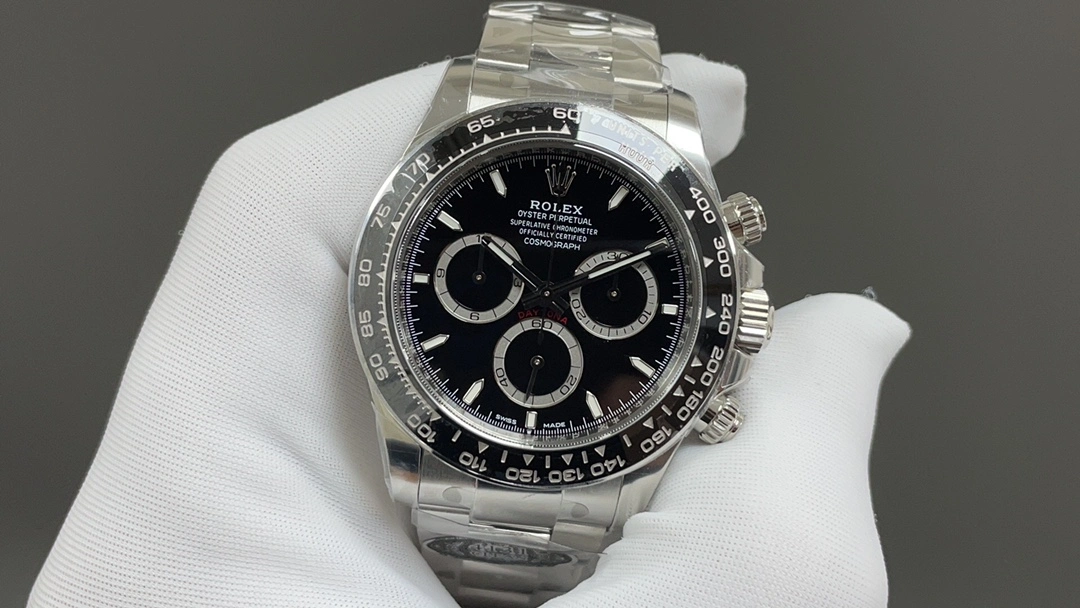
Prevention: Research the specific model you want before choosing a factory. The factory comparison breakdown maps every popular Rolex model to its best factory option. Different factories dominate different models — nobody makes the best version of everything. Match the factory to the model, not the other way around.
Mistake 4: Swimming Before Testing — The Condensation Kill
What happens: New owner receives a Submariner — a watch designed for diving. Assumes it is waterproof like the genuine. Wears it into a pool on day one. Two hours later, condensation appears inside the crystal. By evening, water droplets are visible on the dial. The movement has been exposed to moisture. Corrosion starts within days. The watch is dead within a week.
Why it happens: Factory assembly is not Rolex-level quality control. Gaskets might be seated correctly — or they might not. The screw-down crown might seal properly — or the threading might be slightly off. Genuine Rolex tests every watch in a pressure chamber. Factories do not. A replica Submariner might handle rain and hand washing. It might survive a shower. But submerging it without testing is gambling with the entire watch.
Warning: Condensation inside the crystal is an emergency. Remove the watch immediately. Place it crown-up in a container of uncooked rice or silica gel packets for 24-48 hours. If moisture persists, take it to a watchmaker for disassembly and drying before corrosion destroys the movement. Speed matters — every hour of moisture exposure increases damage.
Prevention: Before any water exposure, test the crown seal. Screw the crown down fully and hold the watch under a running faucet for 30 seconds. Check for any moisture inside the crystal over the next 2 hours. If it passes, you can wear it in rain and wash hands confidently. For pool or ocean exposure, have a watchmaker pressure-test the case first — a service that takes minutes and costs very little. This single step separates buyers who enjoy their Submariner for years from those who destroy it on day one.
Mistake 5: Buying V1 When V3 Exists — The Version Trap
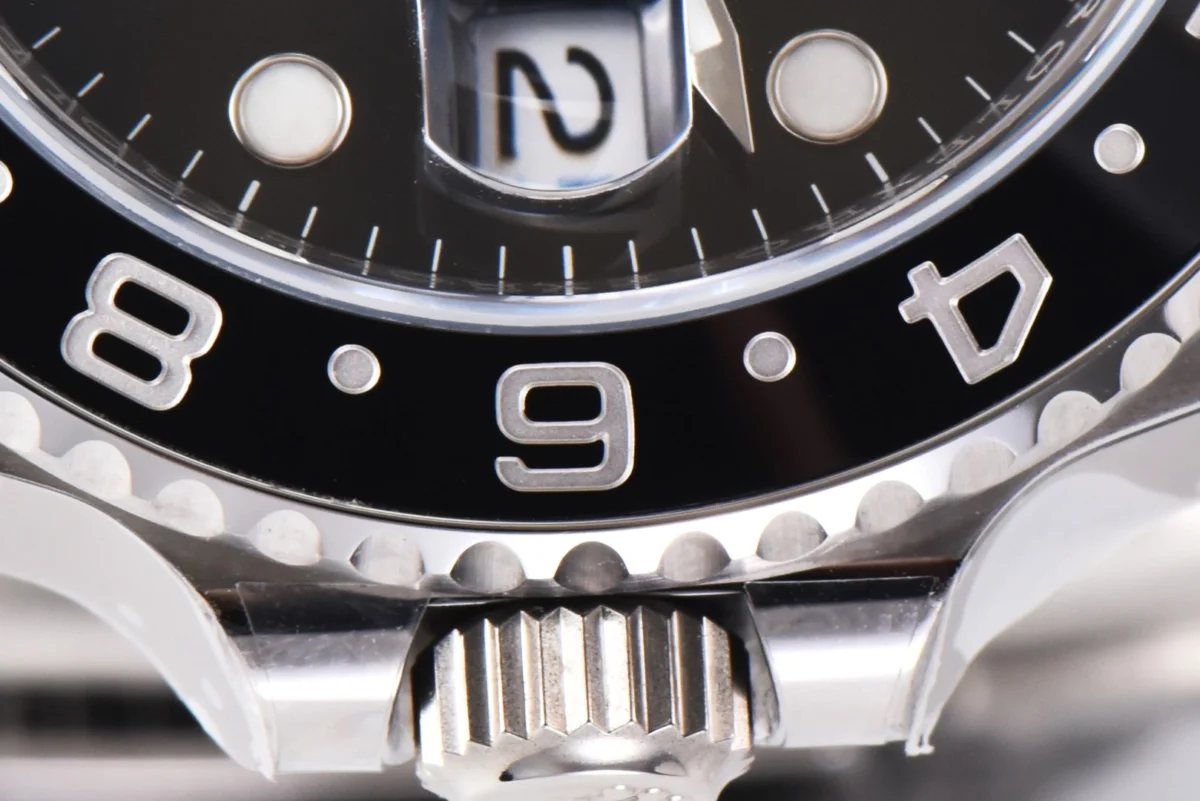
What happens: Factories release updated versions of their popular models. V1 ships first — it gets the shape right but has known issues. Community feedback identifies specific problems: bezel color is slightly too dark, crystal sits 0.2mm too high, date font is not thick enough, or the chapter ring alignment is off by a hair. The factory addresses these in V2, then V3. By V3, the known issues from V1 are corrected. But a first-time buyer does not know versions exist. They order “a VSF Submariner” and receive whatever the dealer has in stock — which might be old V1 inventory the dealer is trying to clear.
The real cost: V1 and V3 of the same factory model typically cost the same from dealers. You pay identical money for a watch with identified, documented flaws that the factory already corrected. The V1 issues are cosmetic, not catastrophic — the watch works fine. But they bother you. Once you learn what V3 fixed, you see the V1 flaws every time you look at the dial. The bezel color that is “slightly off” becomes all you notice. And now you want V3, meaning you buy the same watch twice.
Prevention: Before ordering, check which version is current for your specific factory and model. Forum search for “[factory] [model] V3” or “latest version” reveals what has changed. When placing your order, explicitly ask the dealer: “Is this the latest version?” Reputable dealers will confirm — and if they only have V1 in stock, they will tell you and offer to source V3. This is one of the simplest mistakes to avoid: just ask the question.
What Each Rolex Replica Mistake Actually Costs
FAQ — Avoiding Replica Rolex Buying Mistakes
Q: How long should I spend on QC photos before approving?
Five to ten minutes is enough. Focus on three things: bezel pip alignment at 12, date centering in the cyclops window, and dial printing sharpness. Compare each photo against factory promotional images (widely available on forums). If something looks wrong, it probably is — trust your eyes and request a different unit. Dealers expect green-light or red-light responses, and a red-light is not unusual.
Q: Is there any situation where DHGate is acceptable?
For sub-entry-level pieces you treat as disposable — maybe. If you want a watch to try the replica hobby before committing to a factory piece, a cheap marketplace watch sets realistic expectations for what “cheap” looks and feels like. It works as a learning tool. But never mistake a DHGate piece for quality, and never expect it to last beyond a few months of daily wear. It is a sampler, not a purchase.
Q: What is the single most common buying mistake?
Choosing by lowest asking amount instead of by factory reputation. The community saying captures it: “Buy the factory, not the watch.” A VSF Submariner from a trusted dealer outperforms any nameless piece from an unknown source, regardless of what the listing description claims. Factory identity and dealer reputation are the two variables that predict satisfaction. Everything else is secondary.
Q: Can I avoid these mistakes by buying from a physical store?
Physical stores for replicas are rare and usually carry low-tier stock. The established factory-to-dealer pipeline is online. The protection comes not from physical presence but from dealer reputation — years of transaction history, community verification, and dispute resolution track records. A trusted dealer with 500+ confirmed transactions online is far safer than a physical shop with unknown sourcing. Can a jeweler tell the difference? Yes, but that is a separate question from buying safely.
The Bottom Line on Rolex Replica Mistakes
Five errors. All preventable. Request quality control images before every shipment. Buy from verified community dealers, not random marketplace listings. Match the factory to the model — not the brand to the budget. Test water resistance before submerging. Ask for the latest version before ordering. These are the five checks that separate buyers who love their purchase from buyers who regret it. Every experienced collector followed this path through trial and error. You have the advantage of reading their mistakes before making your own.
The replica community is generous with information. Forums document factory versions, dealer track records, and model-by-model recommendations in searchable detail. Thirty minutes of reading replaces months of regret. The best watch is the one you buy once, wear for years, and never second-guess — and that watch starts with research, not impulse. And if you are wondering about the legal side of owning a replica, our country-by-country legal guide covers the rules and real enforcement data.
 WhatsApp Support