Catalog
Blog
Are Replica Watches Legal? Country-by-Country Guide with Real Seizure Data
Are Replica Watches Legal? Country-by-Country Guide with Real Seizure Data
The question “are replica watches legal” gets asked thousands of times monthly — and the answer is never a simple yes or no. It depends on your country, whether you are buying or selling, how many you order, and whether customs decides to inspect your package. This guide covers the actual laws, real seizure statistics, and practical outcomes for buyers in the USA, UK, EU, Canada, and Australia.
Before diving into specific countries: the global pattern is consistent. Buying one replica watch for private wear falls into a legal grey area in most jurisdictions. Manufacturing and selling replicas is clearly illegal everywhere. The practical enforcement gap between these two scenarios is massive — and that gap is where most buyers exist. Understanding exactly where the legal lines sit helps you make informed decisions rather than anxious guesses. So — what does the law actually say about personal ownership? Here is what the actual statutes and enforcement data say.
In This Article

United States — The Grey Area Capital
The law: Under 17 USC 602 and the Tariff Act, importing counterfeit goods into the United States is technically prohibited. The Lanham Act protects registered trademarks — and Rolex’s trademarks are aggressively defended. However, federal law primarily targets commercial trafficking, not personal possession. There is no federal statute that criminalizes owning a single counterfeit watch purchased for private wear.
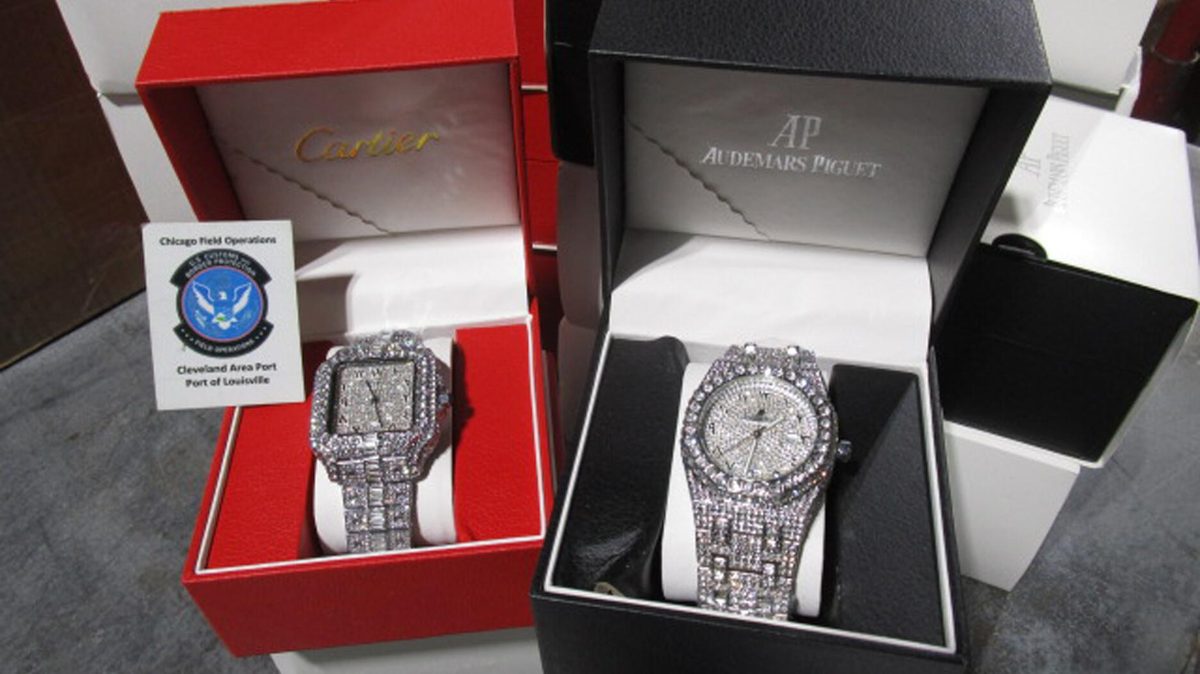
Enforcement reality: US Customs and Border Protection (CBP) seized counterfeit goods valued at $2.98 billion in FY2024 — watches and jewelry represented roughly 12% of that figure. But CBP focuses on bulk shipments. A package containing one watch, addressed to a residential address, with no commercial invoice — this rarely triggers inspection. When it does, the typical outcome for a single personal item is confiscation with a notice letter. No fine. No criminal record. No follow-up investigation. The watch simply does not arrive.
What actually happens: If CBP intercepts your package, you receive a seizure notice offering you 30 days to respond. For a single personal item, almost nobody responds — the watch is destroyed, and the matter ends. If you order multiple watches in one shipment (3+), the optics shift from “personal use” to “commercial intent,” and CBP may refer the case to Homeland Security Investigations. The practical threshold: one watch per package, residential address, no branded packaging.
Key Fact: The US has NEVER prosecuted an individual for purchasing a single counterfeit watch for personal use. Every federal counterfeiting prosecution involves commercial-scale trafficking — manufacturing, distribution, or wholesale resale. Personal buyers are not the target.
United Kingdom — Strict on Paper, Lenient in Practice
The law: The Trade Marks Act 1994 makes importing counterfeit goods a criminal offense. UK Border Force has authority to seize suspected counterfeit items at any port of entry. On paper, this is stricter than the US — there is no explicit personal-use exemption in UK import law.
Enforcement reality: For a single watch in a personal package, UK Border Force typically issues a warning letter and confiscates the item. No fine is imposed. No criminal proceedings are initiated. The letter informs you that the item was seized under intellectual property regulations and that repeat offenses may result in escalated action. Bulk importation (5+ items, commercial packaging) triggers criminal investigation under Section 92 of the Trade Marks Act — penalties up to 10 years imprisonment for commercial-scale trafficking.

European Union — Country by Country
EU-wide framework: Regulation 608/2013 gives customs authorities across all EU member states the power to detain suspected counterfeit goods. But enforcement intensity varies dramatically by country. The regulation targets commercial imports — but individual countries interpret “personal use” differently.
Canada and Australia — Similar Approach
Canada: The Canada Border Services Agency (CBSA) can seize counterfeit goods under the Trademarks Act. For a single personal item, the typical outcome mirrors the US and UK: confiscation without criminal charges. Canada does not impose fines on individual buyers for personal-quantity seizures. CBSA annual reports show the vast majority of IP-related seizures involve commercial shipments, not individual packages.
Australia: Australian Border Force enforces the Trade Marks Act 1995. They can seize counterfeit imports and issue infringement notices. For personal-quantity imports (1-2 items), seizure and a formal notice are the standard outcome. Fines are theoretically possible but are virtually never applied to single-item personal imports. Commercial importation carries penalties up to 5 years imprisonment and significant monetary fines.
Practical Reality — What Buyers Actually Experience
Across all countries surveyed, the pattern is identical: personal-use buyers face seizure as the maximum realistic consequence. No country regularly fines or prosecutes individuals buying a single replica watch for personal wear. The legal apparatus exists to combat commercial counterfeiting operations — the factories, distributors, and resellers operating at scale. Individual buyers are collateral, not targets.
Delivery success rates vary by route and destination. Community-reported data suggests that experienced dealers using triangle shipping (routing packages through intermediary countries to avoid direct China-to-destination routes) achieve delivery rates above 90% for most Western countries. Germany remains the hardest destination with higher interception rates. The UK and US are moderate. Spain, Italy, and most of Southeast Asia are more relaxed.
Practical Tips: Order one watch per package. Remove any branded boxes or documentation from the shipment — just the watch. Use a trusted dealer who understands shipping routes for your country. If a package is seized, do not respond to the notice — let it expire. Order a replacement. Avoid common buying errors that increase risk.
FAQ — Are Replica Watches Legal?
Q: Can I wear a replica watch in public legally?
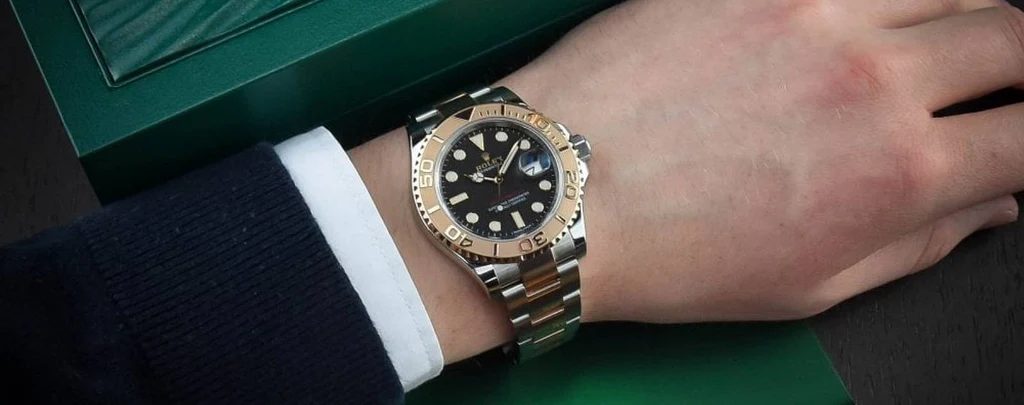
Yes. No country criminalizes wearing a replica watch in public. The laws target manufacturing, importing, and selling — not wearing. You cannot be stopped on the street, inspected, and charged for wearing a watch. Even if a police officer suspected your watch was a replica, personal wearing is not a criminal act in any jurisdiction covered in this guide.
Q: Is it legal to buy replica watches online?
The purchase itself occupies a grey area. Most IP laws target sellers, not buyers. The risk sits with the import — customs may intercept the shipment. If it arrives, you own a watch. If it is seized, you lose the watch but face no further consequences for a single personal item. The act of clicking “buy” on a website is not prosecuted.
Q: What if I travel internationally wearing my replica?
Wearing a watch through airport security and customs is not importing goods. You are wearing personal property. Customs declarations ask about goods you are bringing INTO the country for sale or trade — not about what is on your wrist. No customs officer is going to authenticate your watch at passport control. Millions of people travel daily wearing replicas without incident.
Q: Are replica watches legal if I never sell them?
Personal possession without intent to sell is the scenario where enforcement is effectively zero. Trademark law exists to protect brands from commercial harm — someone wearing a watch at dinner does not cause commercial harm. The legal distinction between “owning for personal use” and “importing to sell” is the entire enforcement framework. Stay on the personal side and the practical risk approaches zero.
The Honest Summary
The honest answer: technically, importing replicas violates trademark regulations in most countries. Practically, personal-use buyers face confiscation as the worst realistic outcome — and even that happens to a minority of shipments. No country prosecutes individual buyers. No country fines personal-use owners. The enforcement apparatus targets commercial operations, and that focus is unlikely to shift toward individual consumers. The legal grey area exists, is well-documented, and has remained stable for decades.
Make informed choices. Understand the laws in your jurisdiction. Order responsibly — one piece per shipment, trusted dealers, proper shipping routes. And remember: the question “are replica watches legal” matters most at the border. Once the watch is on your wrist, nobody is checking.
 WhatsApp Support