Catalog
Blog
Why Super Clone Watches Are Trending in 2026 — The Shift Explained
The Super Clone Watch Boom: What Changed and Why It Matters
Something shifted in the watch market. Not gradually — pretty dramatically. Conversations that used to happen in whispers now happen openly. The super clone watches segment went from shady forum threads to legitimate discussion among collectors.
I’ve been watching this unfold for the past two years. Talking to buyers, examining pieces, tracking quality improvements. What’s happening deserves honest analysis without the usual moral panic.
What Actually Drove the Change
Start with the obvious: pricing went insane.
A steel Rolex Submariner listed at $9,100 retail. Try buying one. You can’t. Waitlists stretch years. Grey market asks $14,000+. The disconnect between sticker price and actual acquisition cost broke something psychologically for buyers.
Same pattern across brands. Patek Nautilus. AP Royal Oak. Even Tudor, Rolex’s “accessible” brand, developed waiting lists. The entire entry point to luxury watches shifted upward while salaries didn’t.
So people explored alternatives. And found the best replica watches market had evolved beyond recognition.
Quality Jumped — Dramatically
The old image of replica watches: obvious fakes with wrong proportions, terrible movements, gold plating that turns green. That still exists at the bottom of the market. But the top tier became something else entirely.
Modern Rolex super clone pieces feature:
Correct materials: 904L stainless steel matching Rolex specifications. The weight, the polish characteristics, the corrosion resistance — all accurate.
Functional ceramics: Cerachrom-style bezels that don’t fade, scratch resistance comparable to genuine parts. This was impossible to replicate five years ago.
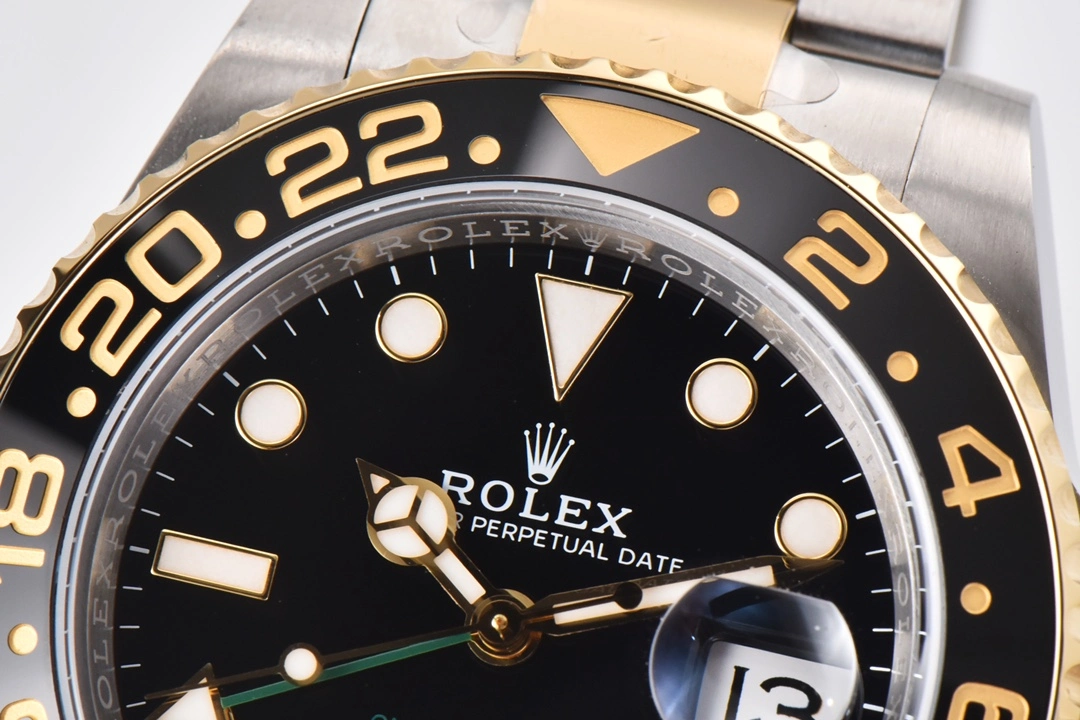
Movement advancement: Clone movements based on genuine caliber architecture. The Rolex 3235 movement has a clone variant that matches power reserve and beat rate.
Finishing standards: Brushing patterns, polished surfaces, chamfered edges — all executed at levels that require magnification to critique.
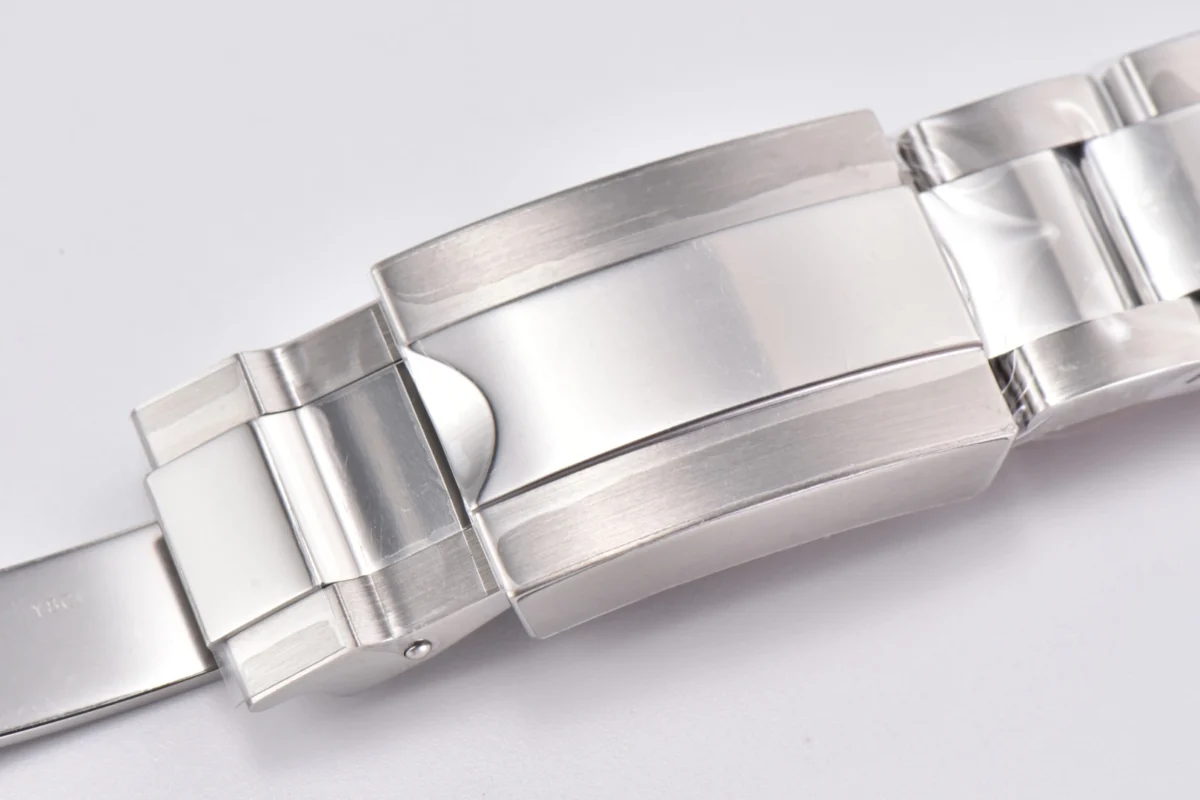
The detailed product photography in the Rolex replica collection on this site documents this evolution. What you see isn’t marketing fantasy — it’s current manufacturing reality.
Who’s Actually Buying
The demographic surprised me during research. It’s not just budget-constrained students.
Collectors diversifying risk: People with genuine pieces buying Swiss replica alternatives for travel. Losing a $500 clone in a foreign country stings less than losing $15,000.
Testing before committing: Living with a Rolex clone for months to see if you actually like 40mm on your wrist before spending retail. Smart approach, honestly.
Philosophical objectors: Wealthy enough to buy genuine but refusing to participate in artificial scarcity games. They’re buying the design, not the brand permission.
First luxury piece: Younger buyers wanting to experience quality timepiece ownership without debt. The luxury watch alternative path makes more sense than credit cards.
The Quality Tiers Explained
Not all replica watches are equal. Understanding tiers saves disappointment:
Low tier ($50-150): Obvious fakes. Wrong fonts, bad finishing, quartz movements in automatic watches. Avoid entirely.
Mid tier ($150-300): Decent appearance from distance. Basic automatic movements. Will work for a year, maybe two. Details wrong under scrutiny.
Super clone tier ($300-600): This is where things get interesting. Clone movements matching genuine specs. Correct materials. Finishing that impresses even knowledgeable observers. The best super clone watches live here.
Premium tier ($600+): Decorated movements, genuine Swiss parts where possible, extreme attention to detail. Approaching diminishing returns but exist for those wanting absolute best.
What Still Separates Genuine and Clone
Being realistic about limitations:
Movement finishing internally: Open a Rolex super clone movement and compare to genuine Caliber 3235. The architecture matches but Rolex’s internal finishing — their Parachrom hairspring, their specific lubricants — isn’t replicated. Function similar, obsessive details different.
Service infrastructure: Genuine Rolex gets serviced at authorized centers with guaranteed parts. Clones need independent watchmakers willing to work on them. Parts availability varies.
Resale value: Genuine holds or appreciates. Clones depreciate. You’re buying to wear, not invest.
Psychological ownership: Some people need the authentic feeling. Others don’t care. Know yourself.
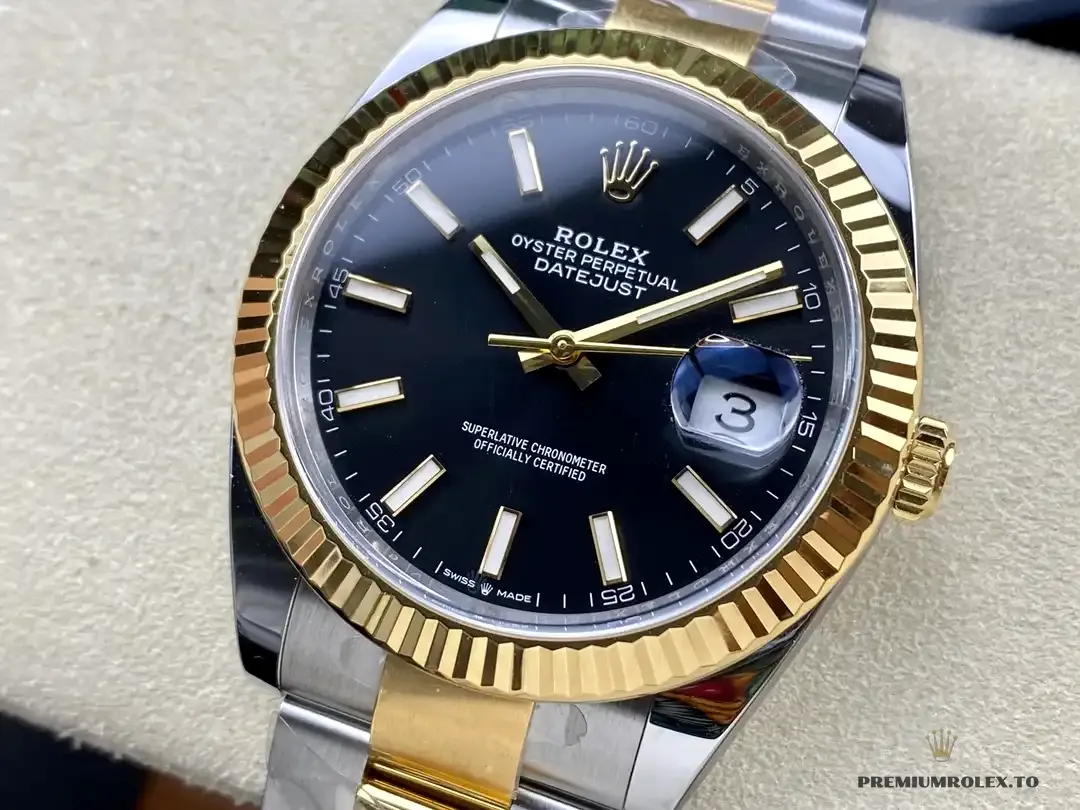
The Market Going Forward
This isn’t going away. If anything, the super clone market will keep maturing.
Manufacturing technology improves constantly. What required Rolex-scale investment a decade ago now happens in advanced facilities elsewhere. CNC precision increased. Material science spread. Quality control tightened.
Brands will respond with authentication technology. Blockchain tracking. NFC chips. More elaborate packaging. Whether buyers care remains unclear — most authentication happens at service, not daily wear.
The fundamental driver persists: luxury watches cost more than many people can justify while clones approach indistinguishable quality. That math doesn’t change because brands wish it would.
Making an Informed Decision
Not advocating for everyone to buy Rolex clone pieces. Genuine watches have real value — craftsmanship, heritage, resale, service support.
But pretending the alternative market doesn’t exist, or dismissing it as obvious junk, ignores reality. The quality exists. The demand exists. The trend continues.
Research thoroughly. Understand tiers. Set expectations appropriately. Whether genuine or luxury watch alternative, buy what makes sense for your situation and priorities.
The watch market changed. Adapt or overpay.
 WhatsApp Support